
Try this, before you read any further. Put everything down. Sit, or stand, and for two minutes do nothing at all. Do not reach for your phone. Do not tidy the thing within arm’s reach. Do not plan. Just be still. This is doing nothing, in its purest form and almost nobody can manage it.
Most people cannot manage it. Within seconds something pulls, whether that’s an itch to check a screen, a sudden urgent memory of an email, a restlessness in the legs, a small panic with no clear name. Doing nothing turns out to be one of the hardest things a modern person can attempt. We can run marathons and sit through long meetings and endure all manner of difficulty, but two minutes of genuine stillness can feel almost unbearable.
It is worth asking, gently and without judgement: why? Why is the empty moment so uncomfortable? What is it we are so keen to avoid?
The vanished gap
There was a time, not very long ago, when life was full of small empty spaces. Waiting for a kettle. Standing in a queue. Sitting on a train with nothing to read. The minutes between one thing and the next. These gaps were not always pleasant, but they were ours. Little clearings in the day where the mind could wander, settle, daydream, or simply rest. They were where ideas arrived unbidden and where we, without ever calling it that, recovered.
Those gaps have very nearly vanished. Every one of them now has something waiting to fill it, glowing in our pocket, endlessly refreshed, engineered with great skill to be more interesting than the empty moment it replaces. We no longer wait; we scroll. We no longer pause; we top up. The result is a life with almost no white space in it. A page so crowded with text that there is nowhere for the eye, or the mind, to rest.
We tend to think of this as harmless, even efficient. Why waste a spare minute? But the empty moment was never wasted. It was doing quiet, necessary work. And when we fill every last one of them, we lose something we barely noticed we had.
What we are really avoiding
Here is the uncomfortable heart of it. When we stop moving, when the noise drops away and the distractions are gone, we are left with one thing: ourselves. Our own company. Whatever we have been carrying, the unfelt grief, the low hum of worry, the question we have been avoiding, the tenderness we have not had time to feel, it is all still there, waiting in the quiet. Stillness does not create these things. It simply stops drowning them out.
And so restlessness, much of the time, is avoidance wearing comfortable clothes. The reach for the phone is not really about the phone. It is a way of not being alone with what is underneath. We stay busy, in part, so that we never have to sit in the same room as ourselves.
This is not a failing to be ashamed of. It is deeply human, and almost everyone does it. But it is worth seeing clearly, because the thing we are avoiding is rarely as terrible as the avoiding suggests. More often than not, when we finally sit still and let the discomfort rise, it moves through us, felt, acknowledged, and gradually released rather than swallowing us whole. The feeling we have spent years outrunning turns out to be something that, given a little stillness and a little courage, simply wants to be felt and then move on.
Rest that restores, and rest that numbs
There is a useful distinction to draw here, because not all rest is the same. There is the rest that genuinely restores us, and there is the rest that only numbs.
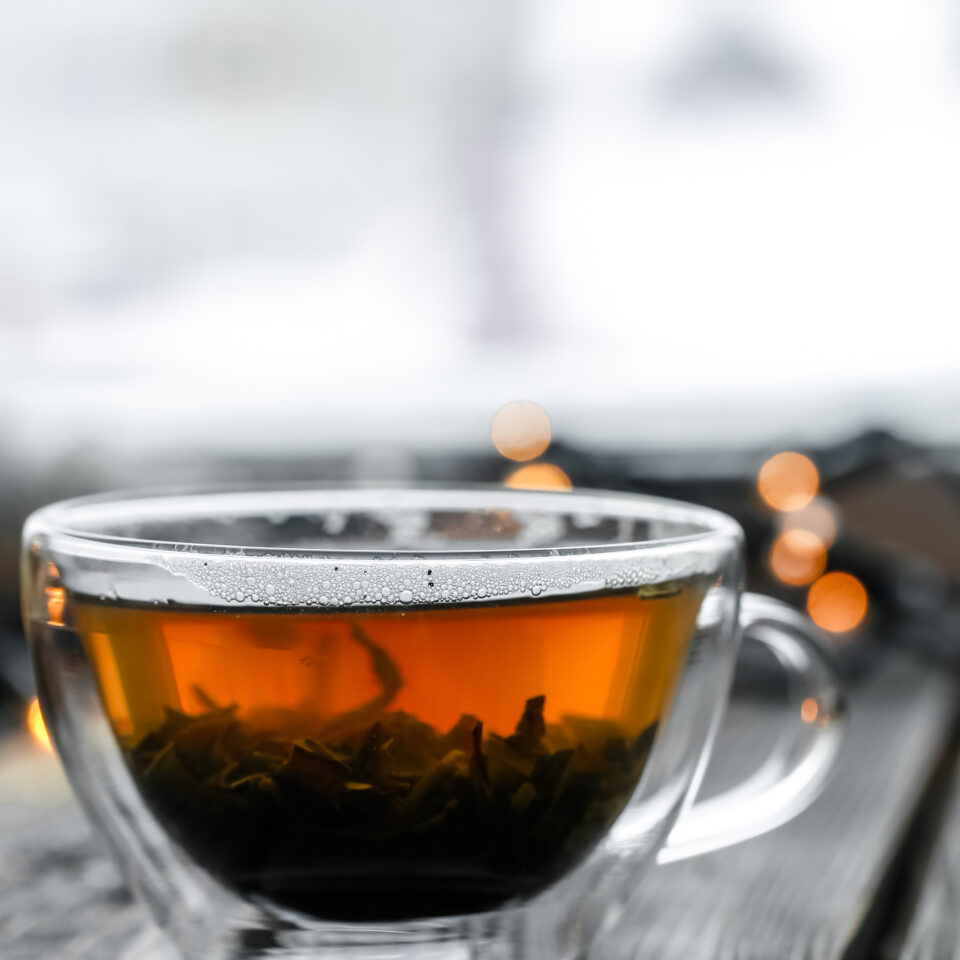
An evening lost to endless scrolling can leave us more tired than before, eyes tight, mind frayed, oddly hollow, as though we have eaten a great deal and are somehow still hungry. That is numbing. It passes the time and dulls the edge, but it does not refill the well. True rest is different. It is the long walk with no podcast in your ears. The bath with no phone. The few minutes on a doorstep watching the light change. The quiet cup of tea where the tea is the only event. These restore us precisely because they ask us to be present rather than absent. To be in our experience rather than escaping it.
The difference is not whether we are doing something or nothing. It is whether we are here for it. Stillness, properly understood, is not the absence of activity. It is the presence of attention. The breath is one of the simplest doorways into that kind of attention, explored further in The Doorway of the Breath.
Small doorways for doing nothing
You do not need an hour of meditation to begin reclaiming stillness. The day is full of doorways, if you stop treating them as delays.
The red light is a doorway. The kettle coming to the boil is a doorway. The moment before you open the front door is a doorway. The queue, the lift, the pause between meetings, the few seconds after you wake before you reach for the phone. Each is a small clearing, a chance to do nothing on purpose, to feel your feet on the floor and let the mind come to rest for a breath or two. We usually grasp at these moments and try to fill them. The invitation is to let one or two of them, each day, stay empty and to notice what that emptiness contains.
At first the silence may feel loud. The mind, deprived of its usual feed, will protest and reach. Let it. You are not doing it wrong. You are simply meeting the restlessness that has been there all along, quietly running the show. Each time you stay in the empty moment a little longer than was comfortable, you loosen its grip by a degree.
Why stillness is good for the body, too
This is not only a matter of the mind. A body that is never still is a body that never fully recovers. The constant low-grade activation of a life with no pauses always reaching, always alert to the next ping keeps the nervous system in a state of mild, perpetual readiness. The “rest and recover” side of us rarely gets the chance to take over. We run, quietly and without alarm, somewhat too hot, for years on end.
Stillness is how the body comes down. Even a minute of doing nothing, with a slow breath and an unhurried mind sends a signal that the emergency is over, that it is safe to soften. This is not a luxury or an indulgence. It is maintenance. A body, like anything that works hard, needs to be allowed to idle, or it wears.
The fullness of the empty moment
We have been taught to fear the empty moment as though it were a kind of death, a void to be filled, a boredom to be escaped. But sit in it long enough, with a little patience, and you may find it is not empty at all. It is full. Full of the sound of the room. Full of the weight of your own body in the chair. Full of breath, and sensation, and a quiet aliveness that was there the whole time, waiting underneath the noise for you to stop and notice it.
Learning to sit still is, in the end, learning to be at home in your own company to discover that the person you have been so busy avoiding is, in fact, perfectly good company once you stop running. The phone will still be there in two minutes. See if you can let the gap stay empty, just this once, and find out what it holds. Research on mindfulness consistently finds that doing nothing on purpose, even briefly, leaves people calmer and steadier than running from the gap ever does.
Pala is built for the empty moment, a gentle rhythm to rest your attention on, so that stillness has somewhere soft to land.
Pala is coming.
We’re building something small and quiet. A band you wear, not a screen you check. No notifications. No feed. No app demanding your eyes. Just a gentle reminder, felt rather than seen, to come back to the one life you’re actually living.
It isn’t ready yet. When it is, the people on our list will be the first to know, before anyone else, before any announcement.
If something in this piece landed, leave your email below. We’ll only write when we have something worth your attention. That’s the whole promise.